The HMC Group Marketing Whole Peaches, Plums, and Nectarines recall: Potential to be contaminated with Listeria monocytogenes
Potential to be contaminated with Listeria monocytogenes
The hazard: Listeria contamination
Because the organism here is Listeria, the recall is about where the food has been rather than how it looks today. Treat an affected pack as contaminated even if it is sealed and in date.
What the notice says: The fruit is being recalled because it has the potential to be contaminated with Listeria monocytogenes , an organism that can cause serious and sometimes fatal infections in young children, frail or elderly people, and others with weakened immune systems.
Why it matters: Listeria monocytogenes is unusual among foodborne bacteria because it keeps growing at refrigerator temperature. A contaminated pack does not become safer for sitting in the cold, and it will look, smell and taste completely normal.
Symptoms and when to call a doctor
Listeriosis is mild or silent in most healthy adults, but it is serious for pregnant people, newborns, adults over 65 and anyone whose immune system is suppressed. The CDC describes intestinal illness as diarrhoea and vomiting, and invasive illness as fever, muscle aches, headache, stiff neck, confusion, loss of balance or convulsions. In pregnancy it can cause miscarriage, stillbirth or infection in the newborn even when the parent feels only mildly unwell. Symptoms can start within a day or not appear for weeks, so tell any doctor you see that you ate a recalled product and give them the date.
This page is general information, not medical advice. If you feel unwell, a clinician who can see you is the only person able to judge your case.
Recall details
- Published
- November 17, 2023
- Risk level
- Highest risk
- Issued by
- U.S. Food and Drug Administration
- Brand
- The HMC Group Marketing
- Product type
- Fresh produce
- Distribution
- Nationwide
Products covered by this recall
Whole Peaches, Plums, and Nectarines
What the company announced
November 17, 2023 - The HMC Group Marketing, Inc., which does business as HMC Farms, is voluntarily recalling peaches, plums and nectarines sold in retail stores between May 1 and November 15, 2022 and between May 1 and November 15, 2023. The fruit is being recalled because it has the potential to be contaminated with Listeria monocytogenes , an organism that can cause serious and sometimes fatal infections in young children, frail or elderly people, and others with weakened immune systems. Although healthy individuals may suffer only short-term symptoms such as high fever, severe headache, stiffness, nausea, abdominal pain, and diarrhea. Listeria infection can cause miscarriages and stillbirths among pregnant women.
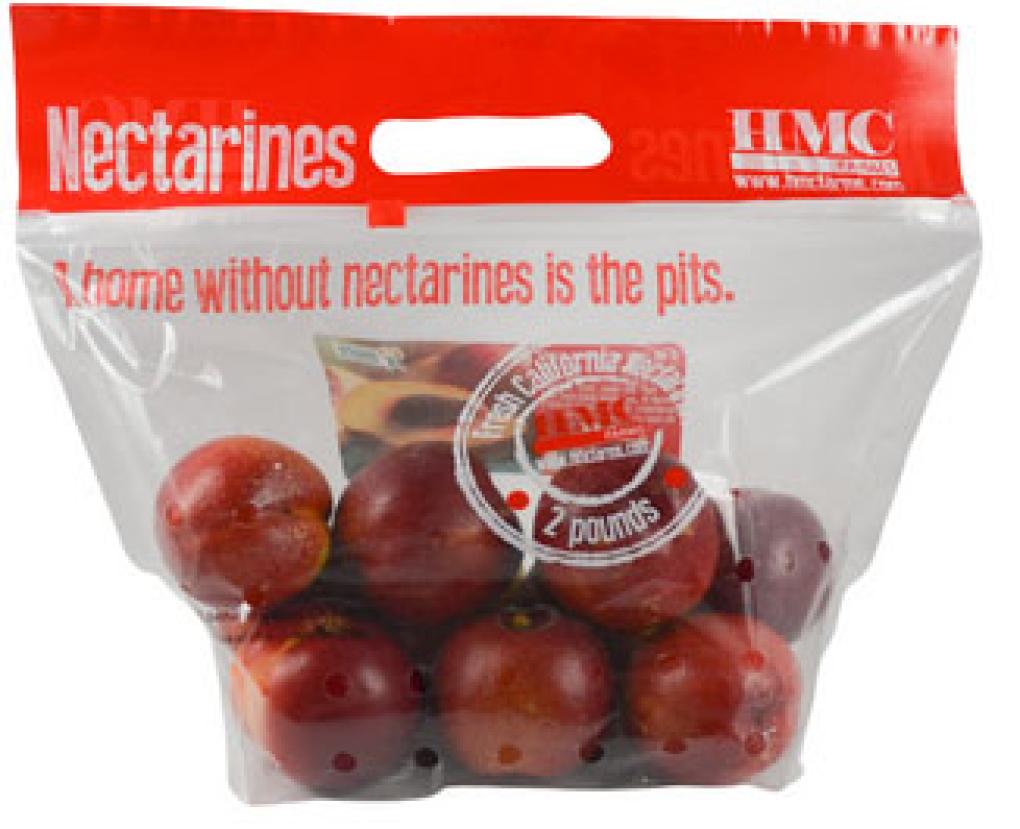
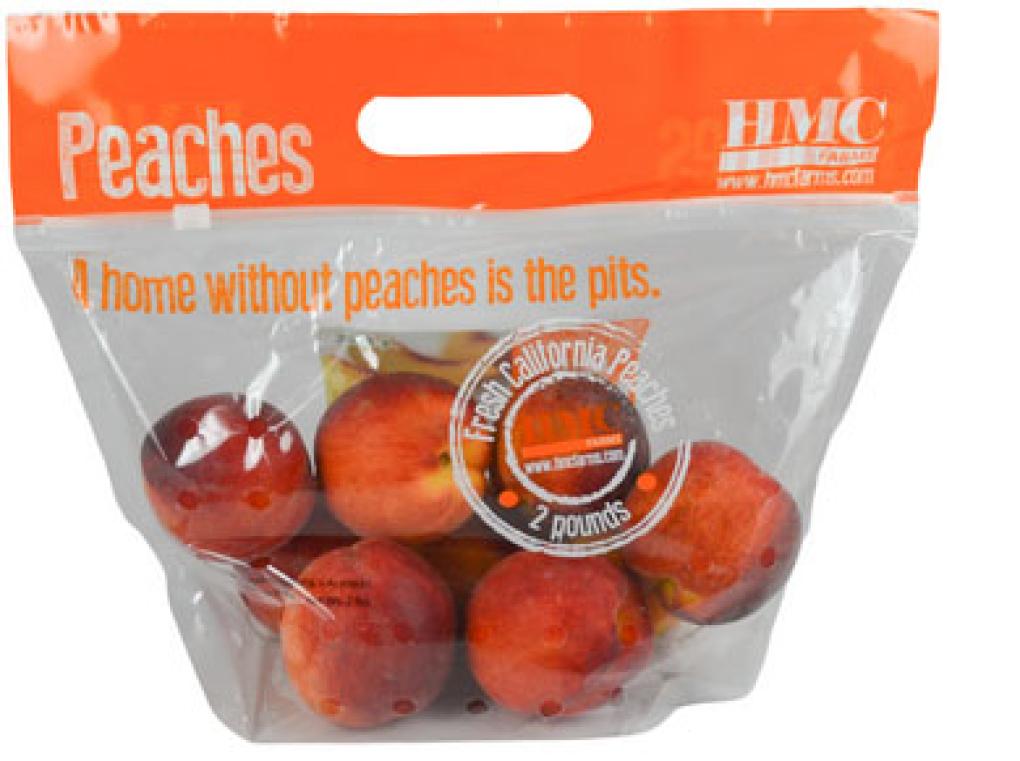
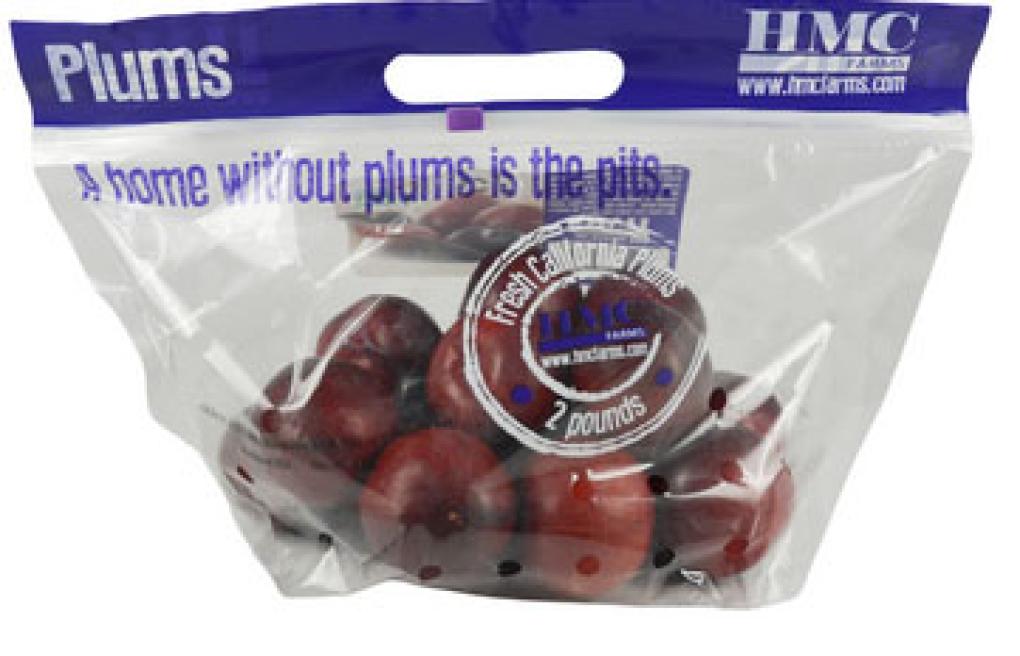
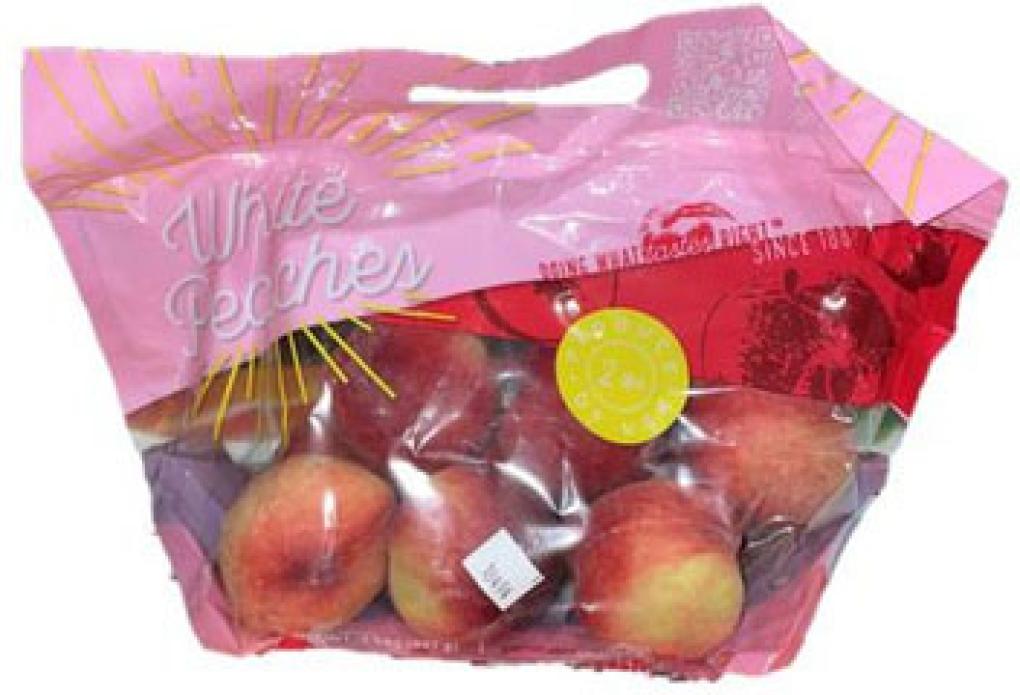
The recalled fruit was distributed nationwide and sold at retail stores as individual pieces of fruit bearing PLU stickers (see photos) or in consumer packaging (also shown in the attached photos) AND sold at retail between May 1 and November 15, 2022 and between May 1 and November 15, 2023.
This recall includes only conventionally grown fruit – no organic fruit is being recalled. Peaches, plums, and nectarines currently available for sale at retail stores are not included in this recall.
The recalled peaches have been linked to an outbreak of Listeriosis that has resulted in eleven illnesses.
Consumers: Although the recalled fruit is no longer available in retail stores, consumers may have frozen the recalled fruit at home for later use. Consumers are urged to check their freezers for the recalled fruit, not consume it, and discard it. Consumers with further questions can contact the company’s consumer information desk at 844-483-3867, Monday-Friday, 8:00 a.m. - 8:00 p.m. Eastern Time.
This recall is being carried out with the knowledge of the U.S. Food and Drug Administration.
FDA has reason to believe that the following retail locations received the peaches, plums, & nectarines, included in the recall by HMC Farms. These products may have been repacked from their original packaging. This list may not include all retail establishments that did not actually receive the recalled product. Therefore, it is important that you use the product-specific identification information. In addition to this list of retail stores, when you check the food you have to see if it has been recalled.
Retail Establishments That Received HMC Farms Peaches, Plums, & Nectarines .
CORE’s outbreak investigation that can be found here
Reproduced from the company announcement posted on fda.gov. Links and contact forms in the original are not repeated here; the official notice below has them.
What to do about Listeria
The HMC Group Marketing — Because the organism here is Listeria, the recall is about where the food has been rather than how it looks today. Treat an affected pack as contaminated even if it is sealed and in date.
- Do not eat it and do not open a sealed pack to inspect it — opening it only spreads the bacteria around your kitchen.
- Wash and then sanitise anything the food touched: the fridge shelf and drawer, chopping boards, knives, counters and your hands. Listeria colonises cold surfaces and can survive there after the food is gone.
- If anyone in the household is pregnant, over 65 or immunocompromised, call a clinician for advice even if nobody feels ill. That conversation is quick and it is the whole point of a Listeria recall.
- Photograph the label, the lot code and the date mark before the pack leaves the house — that picture is what a refund claim runs on.
Refunds, and what else you can claim
The purchase price is the floor, not the ceiling. Where a recall caused you a real cost, say so.
- Claim the refund at the store first; it is the fastest route and needs the least paperwork.
- If you bought several packs over time, list them. Firms routinely settle for more than a single unit when a customer asks.
- Medical costs, lost earnings or a spoiled event are not handled at the service desk. Write to the company contact on this page instead, with dates and documents.
- Keep copies of everything you send. If a recall caused harm, that file is what any later claim rests on.
Remedy named in the notice: Consumers are urged to check their freezers for the recalled fruit, not consume it, and discard it.
Company contact: The HMC Group Marketing, Inc. — Consumers: 844-483-3867 — Media: Amy Philpott, 703-472-6615, [email protected]
The official notice
This page summarises a notice published by U.S. Food and Drug Administration. The agency notice is the authoritative version — read it before you act, and treat it as the final word if anything here looks different.
Open the FDA — Company recall announcements record U.S. Food and Drug Administration recalls
Questions people ask about this recall
Why was The HMC Group Marketing fresh produce recalled?
Potential to be contaminated with Listeria monocytogenes The fruit is being recalled because it has the potential to be contaminated with Listeria monocytogenes , an organism that can cause serious and sometimes fatal infections in young children, frail or elderly people, and others with weakened immune systems.
How do I know if I have the recalled product?
The notice does not publish package codes for this recall. Compare the product name, size and the purchase window against the official FDA — Company recall announcements record, and contact the company if you are unsure.
What should I do with it right now?
Do not eat it and do not open a sealed pack to inspect it — opening it only spreads the bacteria around your kitchen.
Can I get my money back?
The notice says: Consumers are urged to check their freezers for the recalled fruit, not consume it, and discard it.
Where was the recalled product sold?
It was distributed nationwide.
Related recalls
-
Elevated risk · yesterday
H-E-B BBQ Chop Salad Kit recall: Undeclared soy and tree nuts (almonds)
Undeclared soy and tree nuts (almonds)
-
Elevated risk · yesterday
H-E-B BBQ Chop Salad Kit recall: Undeclared soy and tree nuts (almonds)
Undeclared soy and tree nuts (almonds)
-
Class I · 7 days ago
Made Fresh brand Black Bean and Corn Salad recall: Products may be contaminated with Listeria monocytogenes
Products may be contaminated with Listeria monocytogenes.
-
Highest risk · 20 days ago
Gardeners Basics Broccoli Sprouting Seeds recall: Product may be contaminated with Salmonella
Product may be contaminated with Salmonella
-
Class I · 21 days ago
Todd's Seeds LLC Todd's Seeds Salad Sprouting Mixture - Broccoli, Mustard recall: Products contain alfalfa seed recalled by the supplier
Products contain alfalfa seed recalled by the supplier and may be contaminated with E. coli and/or Salmonella (downstream recall)
-
Class I · 21 days ago
Todd's Seeds LLC Todd's Seeds Broccoli & Friends Sprouting Seed Mix - Broccoli recall: Products contain alfalfa seed recalled by the supplier
Products contain alfalfa seed recalled by the supplier and may be contaminated with E. coli and/or Salmonella (downstream recall)